
 Harnessing Knowledge and Brand Loyalty
Over the last forty years, during my hectic business and personal travels worldwide, I have gathered numerous observations on various facets of life. From travelling between countries and their cities, exploring their deep interiors, conducting business or visiting places, and meeting people from different walks of life, the exposure has been overwhelming, giving me sights and sounds of places and people. Of these reminiscences, besides my industry knowledge in multiple business sectors where I have worked, two industries have intrigued me the most – the airline and hospitality industries.
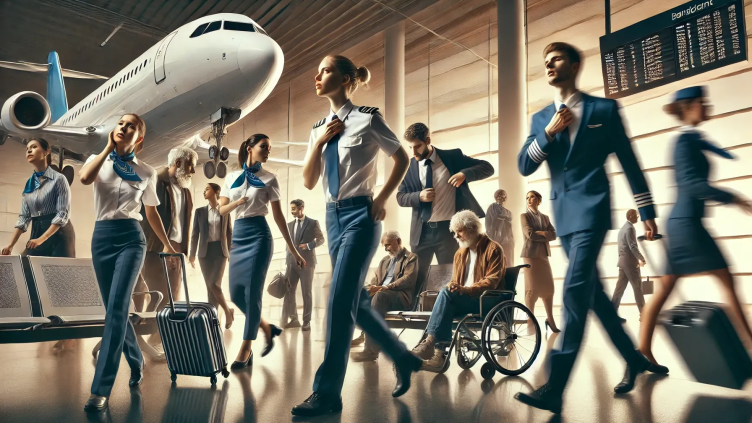
In a travel context, I have a substantial track record that includes over 2,000 room nights and 11 million airline miles, accumulated over roughly seven to eight years spent between hotels and airplanes. One can imagine the wealth of my unnerving insights, which have yielded some profound observations about their ecosystem, especially the airline industry and its onboard staff. Having enjoyed the firsthand onboard experiences of excellent hospitality and guest service, their lives have attracted my attention. These in-flight personnel, dressed in uniforms, have made a lasting impression. I have witnessed their relentless passion and agility in catering to their patrons, even while working in challenging environments, often with constrained resources, whether it is limited manpower, tight timelines, or the ever-changing needs inherent to the profession, which demands high customer expectations. Despite these pressures, they maintain their calm and composed demeanour with utmost passion and precision.
However, in the backdrop of their seamless offering, I have had a sneak peek at their overall ecosystem. After spending considerable time with them during my countless flights, I have come to understand that their personal experiences are not as glamorous or seamless as they may seem.
Most men and women enter this industry at very early stages of life, attracted by the glamour and perks. However, this will eventually disappear over time, given the harsh realities, especially among staff who are entering mid-life brackets.
As these individuals typically enter with basic or limited educational and professional qualifications, their long-term prospects are often tied to the limited scope within the industry. Although in reality, I believe most of them possess great skill sets, market perceptions usually stereotype them as having limited job prospects.
I, however, have a different opinion, as I firmly believe they are of great value. I treat them as strategic, not a transactional asset of the airline with a shelf life.
Airlines, like any forward-thinking service industry, must recognize the value and needs of their ageing workforce, particularly flight staff, whose roles are both physically demanding and operationally critical. To support progression and development opportunities for ageing flight staff, airlines should focus on career longevity, upskilling, and transition pathways.
Here’s a structured approach:
- Role Diversification & Lateral Movement
- Create hybrid roles that combine flying duties with ground-based responsibilities (e.g., safety trainers, crew schedulers, customer service mentors).
- Enable rotation into operational roles, such as flight planning, logistics coordination, or crisis management cells.
- Offer mentorship programs where senior crew guide new recruits, institutionalizing their knowledge.
- Skill Development & Continuous Learning
- Provide upskilling programs in leadership, compliance, customer experience, and technology (e.g., digital check-ins, aircraft systems).
- Offer certifications in areas like aviation safety, instructional design, or conflict management, supported by partnerships with aviation academies or universities.
- Encourage participation in industry forums, allowing experienced staff to present case studies and contribute to sector-wide improvements.
- Health-Aware Work Design
- Re-design rosters and long-haul rotations to minimize fatigue and allow flexible flying schedules.
- Offer wellness, ergonomics, and physiotherapy support tailored to ageing bodies.
- Introduce transitional flying roles with fewer physical demands (e.g., more domestic flights, fewer turnaround shifts).
- Pathways to Leadership & Specialized Roles
- Fast-track interested senior staff into cabin operations leadership, inflight standards, or training departments.
- Create specialist roles such as: Inflight Service Quality Coach, Regulatory & Safety Compliance Officer, Crew Resource Management (CRM) Trainer.
- Support movement into corporate roles, like customer experience design or employee relations.
- Retirement Transition & Legacy Programs
- Develop a retirement transition program that assists senior staff in transitioning into consulting, policy-making, or advocacy roles.
- Offer flexi-retirement models, with options for part-time work, training assignments, or ambassadorial roles at airports or airline events.
- Launch a “Legacy Staff Network” where retired staff can remain involved in alumni events, recruitment campaigns, and mentoring.
- Policy & Culture Shift
- Revise HR policies to incorporate age inclusivity and career lifecycle planning into the workforce strategy.
- Celebrate long-serving staff through recognition programs that tie into new career pathway launches.
- Train younger managers to respect intergenerational diversity and leverage seasoned insights in operations.
Helping ageing flight staff isn’t just a welfare issue; it’s a business advantage. They bring institutional knowledge, maturity in crisis handling, and high service consistency. Airlines that create structured, dignified growth and transition opportunities for them will gain loyalty, reduce attrition, and improve brand integrity.